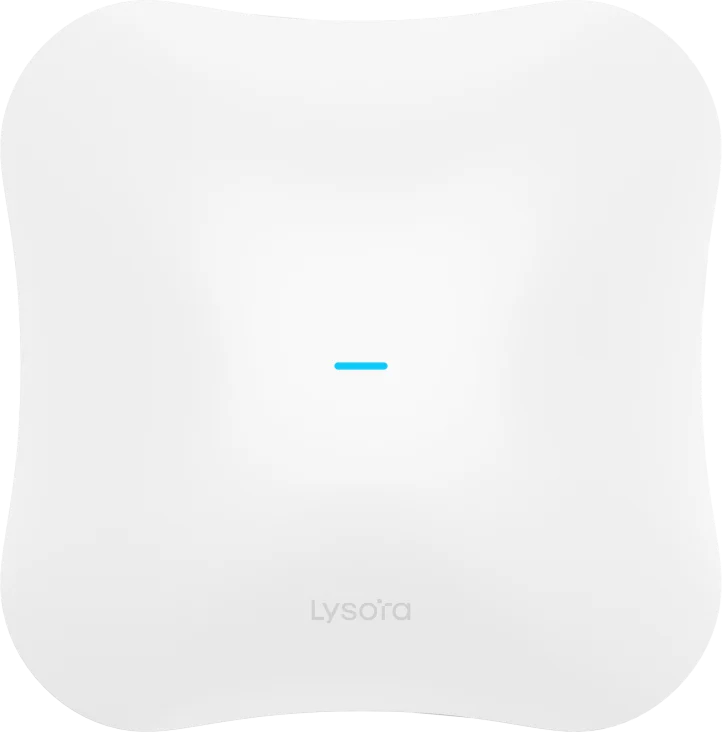
L7ProNDAA
Wi-Fi 7 BE14000 Tri-Band Ceiling AP
The flagship: tri-band Wi-Fi 7 with a 10G SFP+ uplink.
BE1400010G SFP+MLO
Nine access points covering Wi-Fi 7 tri-band BE14000 down to Wi-Fi 6 AX1800, in ceiling, wall-plate and IP65/IP68 outdoor form factors. Self-organising networks scale to 300 APs, with 802.11k/v/r roaming and MLO on the Wi-Fi 7 line.
9 models · Wi-Fi 7 and Wi-Fi 6, indoor, wall-plate and outdoor
9 of 9 products
The flagship: tri-band Wi-Fi 7 with a 10G SFP+ uplink.
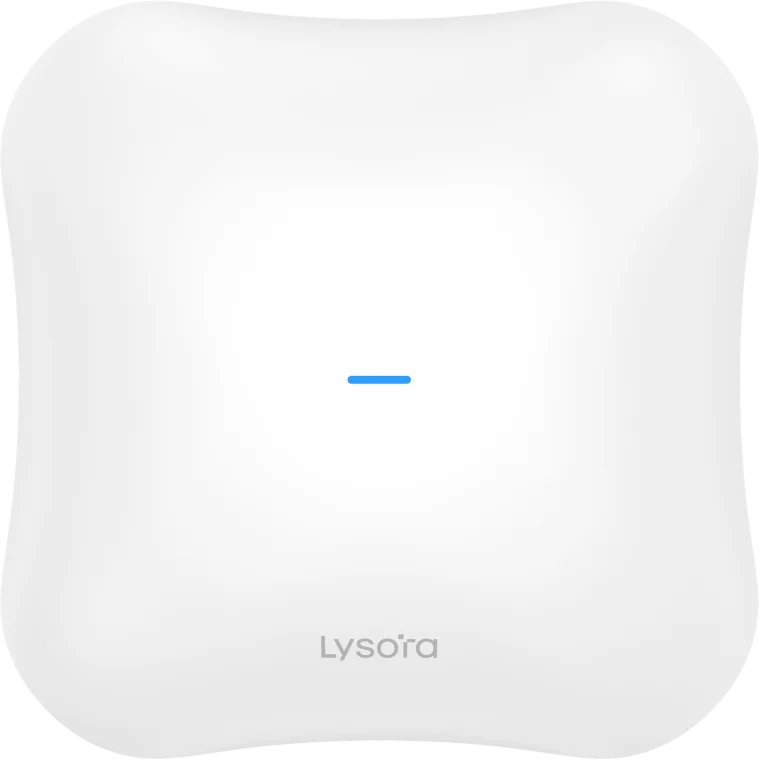
Dual-band Wi-Fi 7 for dense offices, up to 300 APs per network.
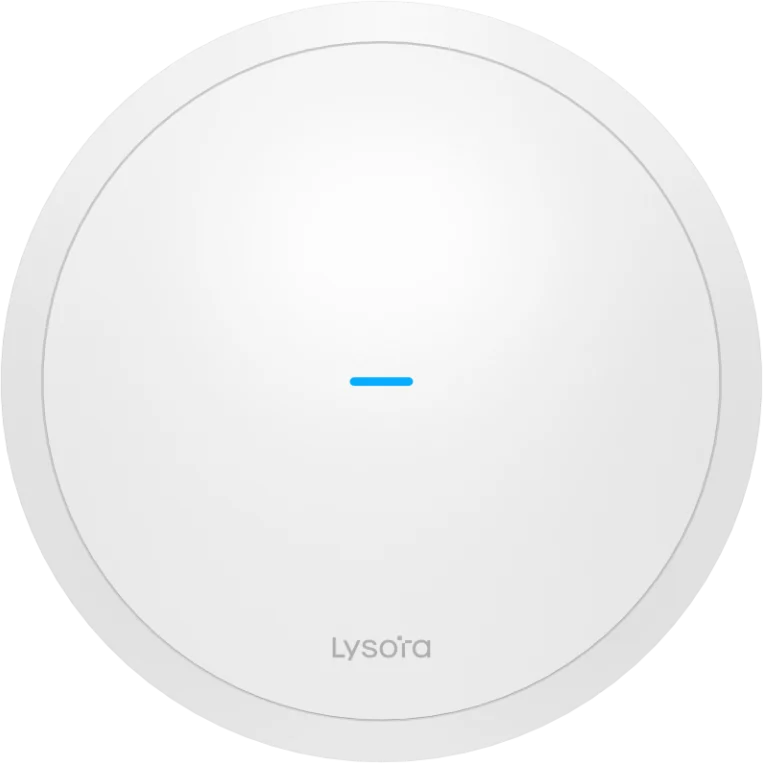
Entry into Wi-Fi 7, on a single 2.5GbE PoE run.

In-room Wi-Fi 7 with four wired ports behind it.
IP65 Wi-Fi 7 for courtyards, platforms and yards.
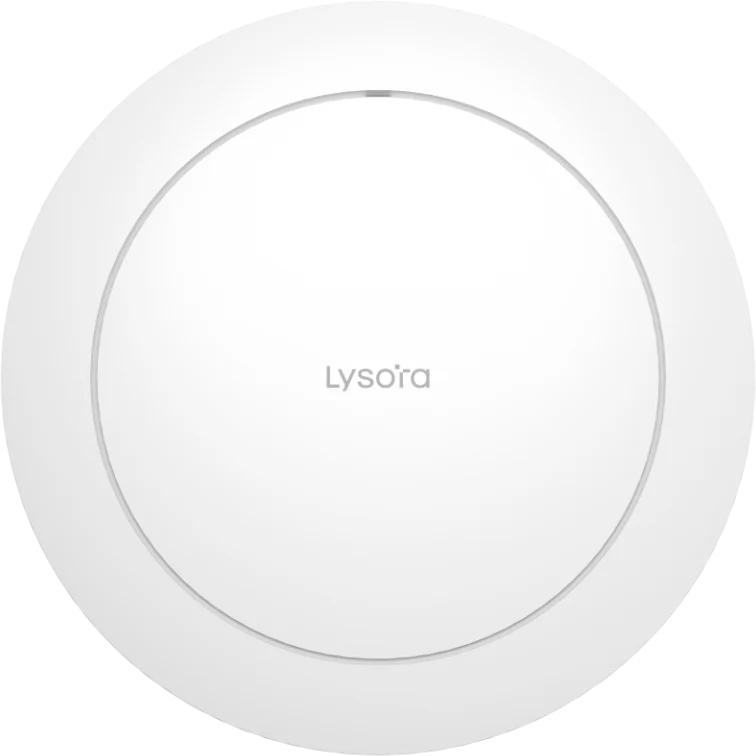
The volume Wi-Fi 6 ceiling AP: AX3000 on standard PoE.
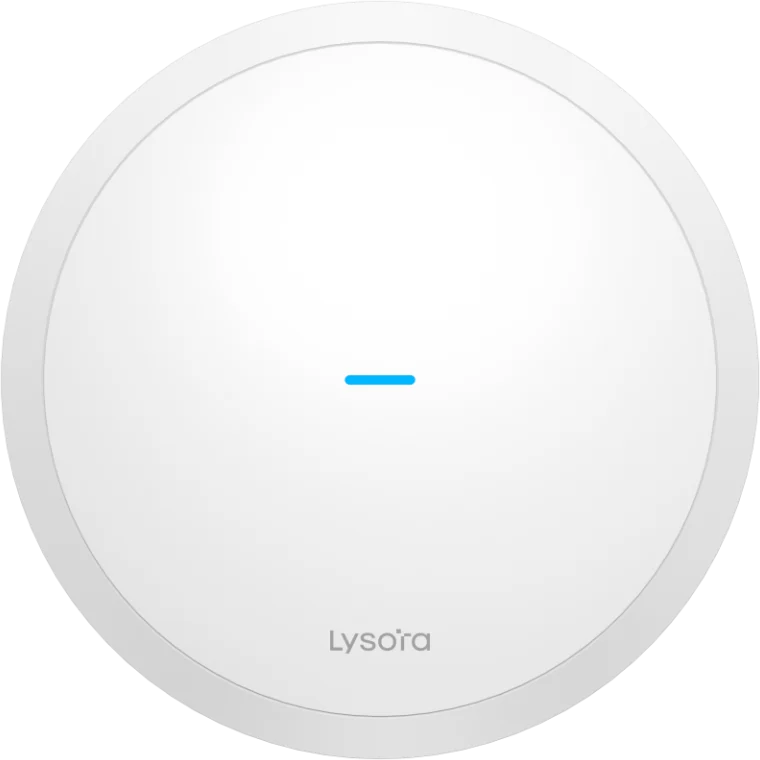
The budget line for guest Wi-Fi and small rooms.
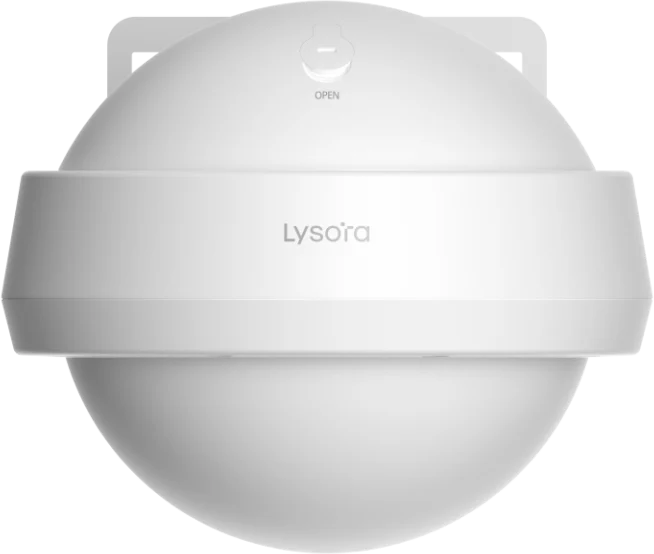
IP68 outdoor AX3000 with an SFP port for fibre drops.
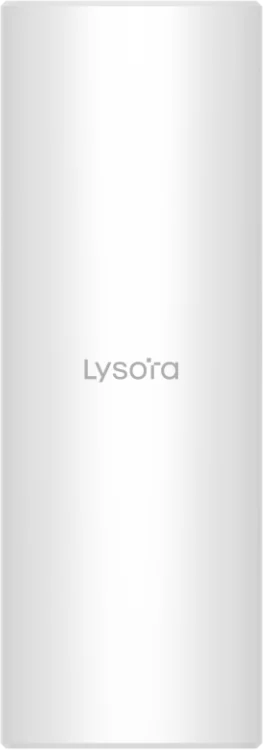
A 0.4 kg IP65 outdoor AP with higher-gain antennas.
Applications
Where the wireless access points in this range end up, and what decides the model in each case.
Tri-band Wi-Fi 7 on open floors where 6 GHz and a 10G SFP+ uplink earn their cost, dual-band in cellular offices and meeting rooms, with 802.11k/v/r so a call survives the walk to a meeting.
Wall-plate units in each room — one AP per room, four wired ports behind it for the TV and desk, and no corridor dead spots behind tiled bathroom walls.
Ballrooms, auditoriums and conference floors, where the constraint is 300 devices in one room for four hours rather than square footage.
Long aisles, metal racking and moving stock. Ceiling height drives the AP count more than floor area does, and racking changes coverage every time the layout moves.
IP65 and IP68 models rated −30 °C to +65 °C with higher-gain antennas, for courtyards, platforms, yards and driveways. The IP68 unit takes a fibre drop on SFP.
Guest SSIDs on their own VLAN with rate limits and a branded captive portal, managed across every site from one console.